



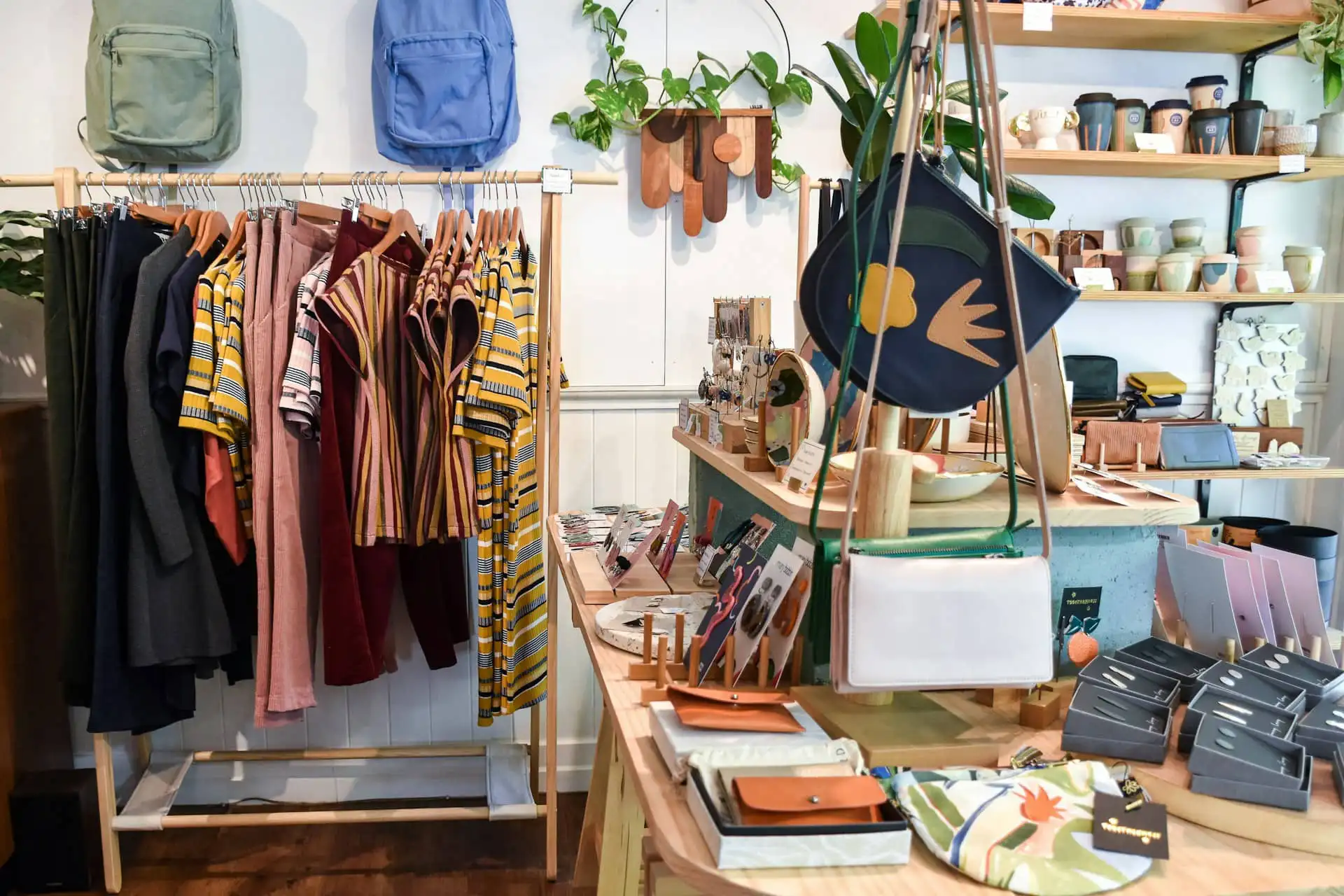
Balancing a passion for fashion with a commitment to sustainability is a challenge many in the industry face today. With fashion’s influence reaching every corner of the globe, it’s crucial to address the environmental and ethical impacts of the industry. If you’re deeply entrenched in fashion but also dedicated to promoting sustainability, here’s how you can harmonize these two seemingly contrasting passions.
1. Embrace Sustainable Fashion Practices
One of the most direct ways to integrate sustainability into your fashion career is by adopting eco-friendly practices. This can include:
- Sourcing Sustainable Materials: Opt for fabrics made from organic, recycled, or upcycled materials. Sustainable textiles, such as organic cotton, bamboo, and recycled polyester, help reduce the environmental footprint of your designs.
- Ethical Production: Collaborate with manufacturers and suppliers who prioritize ethical labor practices and fair wages. Ensure that the production processes are environmentally friendly, minimizing waste and reducing energy consumption.
- Eco-friendly Packaging: Use recyclable, biodegradable, or reusable packaging for your products. Avoid excessive packaging and opt for minimalistic designs that reduce waste.
2. Advocate for Slow Fashion
Slow fashion emphasizes quality over quantity, encouraging consumers to invest in timeless, durable pieces rather than fast fashion trends. To support this movement:
- Design Timeless Pieces: Focus on creating designs that have enduring appeal and can be worn across seasons. Avoid trends that may quickly go out of style and contribute to the cycle of waste.
- Promote Longevity: Educate your customers about the importance of garment care and repair. Offer services or advice on how to extend the life of clothing, such as professional cleaning and mending.
3. Innovate with Circular Fashion
Circular fashion aims to create a closed-loop system where garments are recycled, repaired, or repurposed rather than discarded. To contribute to this model:
- Design for Disassembly: Create clothing that can be easily disassembled into its component parts, making it easier to recycle or repurpose materials at the end of its life cycle.
- Implement Take-Back Programs: Develop programs where customers can return old garments for recycling or refurbishment. This encourages responsible disposal and supports the circular economy





4. Educate and Inspire
Use your platform and influence to promote sustainable fashion practices within the industry and among consumers:
- Share Knowledge: Write articles, host workshops, or create content that educates others about sustainable fashion. Share best practices, innovative materials, and ethical brands.
- Collaborate with Sustainable Brands: Partner with or support brands and designers who are committed to sustainability. By working together, you can amplify the message and impact of eco-friendly fashion.
5. Make Conscious Choices
Personal choices can significantly impact the environment and your commitment to sustainability:
- Mindful Consumption: Be selective about your own fashion purchases. Invest in high-quality, sustainable pieces and avoid impulse buying.
- Support Ethical Brands: Choose to support brands that align with your values and prioritize sustainability. Your purchasing decisions can drive demand for more ethical practices in the industry.
6. Advocate for Industry Change
Work towards systemic change within the fashion industry:
- Promote Policy Changes: Advocate for policies and regulations that support sustainable practices, such as stricter environmental standards and transparency requirements.
- Influence Industry Standards: Engage with industry groups, organizations, and events to push for higher sustainability standards and encourage innovation in eco-friendly fashion practices.




Conclusion
Integrating sustainability into a fashion career requires a proactive approach and a willingness to challenge conventional practices. By embracing sustainable materials, advocating for slow fashion, and supporting circular fashion principles, you can harmonize your passion for fashion with a commitment to environmental responsibility. Educate others, make conscious choices, and work towards industry-wide changes to create a positive impact. Balancing fashion with sustainability is not only possible but essential for the future of the industry and the planet.