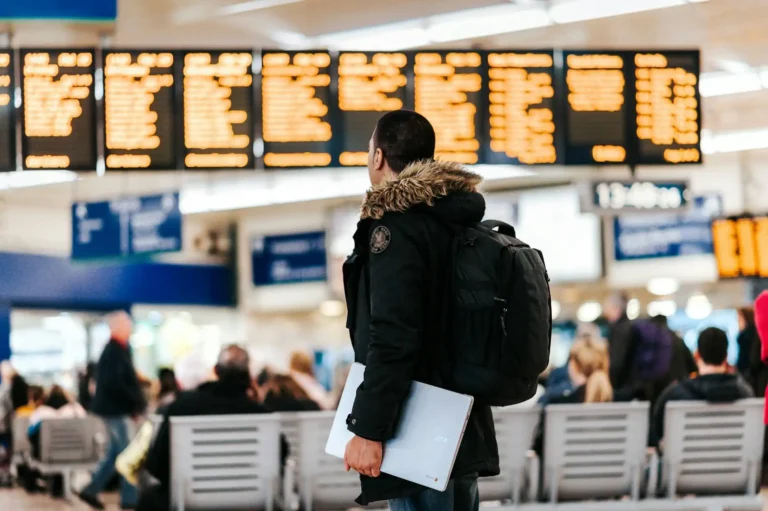
United Airlines has recently suggested that the conventional model of corporate travel may be coming to an end. This prediction reflects broader changes in how businesses approach travel and meetings. Here’s a breakdown of what this means for the future of corporate travel and the adjustments that might follow.
1. The Shift Away from Traditional Corporate Travel
Changing Travel Patterns:
The pandemic has accelerated changes in how companies view business travel. With the rise of remote work and virtual meetings, the necessity for frequent travel has diminished. Businesses are now focusing on more strategic travel decisions, prioritizing efficiency and cost-effectiveness.
Economic Considerations:
Many companies are re-evaluating their travel budgets. Traditional business travel, with its associated costs for flights, hotels, and per diem expenses, is being scrutinized. There’s a growing trend towards minimizing travel costs and optimizing travel strategies to align with current business needs.
2. Implications for Airlines and Travel Services
Adapting to New Trends:
Airlines like United are adjusting their offerings to fit the evolving landscape. This may involve revamping business travel services, offering more flexible booking options, and enhancing digital solutions to meet the needs of modern corporate clients.





Focus on Leisure and Hybrid Travel:
With a decrease in traditional business travel, airlines are shifting their focus towards leisure travel and hybrid travel models. This includes catering to travelers who combine business with leisure and adapting to the needs of remote workers who travel for both work and personal reasons.
3. Future Directions for Corporate Travel
Embracing Technology:
Technology’s role in business is more prominent than ever. The shift towards virtual and hybrid meetings highlights the importance of investing in advanced communication tools. This trend is likely to continue, shaping how businesses conduct operations and make travel decisions.
Sustainability Considerations:
Corporate responsibility and sustainability are becoming key factors in travel policies. Companies are increasingly focused on reducing their carbon footprint and integrating sustainable practices into their travel strategies, reflecting a broader commitment to environmental stewardship.
Customization and Flexibility:
Future corporate travel is expected to emphasize customization and flexibility. Companies will seek travel solutions tailored to their specific needs, including personalized travel packages and adaptable booking options that accommodate the changing nature of business travel.




4. Preparing for the Evolving Travel Landscape
Reevaluating Travel Policies:
Organizations should revisit their travel policies to align with the new business travel realities. This includes setting clear criteria for essential travel, exploring virtual meeting options, and implementing measures to control travel expenses.
Investing in Technology:
Businesses should invest in technology that supports remote work and virtual collaboration. Effective tools for communication and productivity will be crucial in reducing the need for frequent travel while maintaining effective business interactions.
Adopting Flexibility:
Flexibility will be key to navigating the future of corporate travel. Businesses should adopt flexible travel plans and booking options, and consider hybrid models that balance travel with virtual meetings.
Conclusion
United Airlines’ view on the end of traditional corporate travel reflects significant shifts in the business travel landscape. As companies adapt to new work environments and economic pressures, the focus is moving towards efficiency, technology, and sustainability. For airlines and businesses alike, embracing these changes and preparing for a more flexible and cost-effective approach to travel will be essential for success in the evolving corporate travel landscape.